
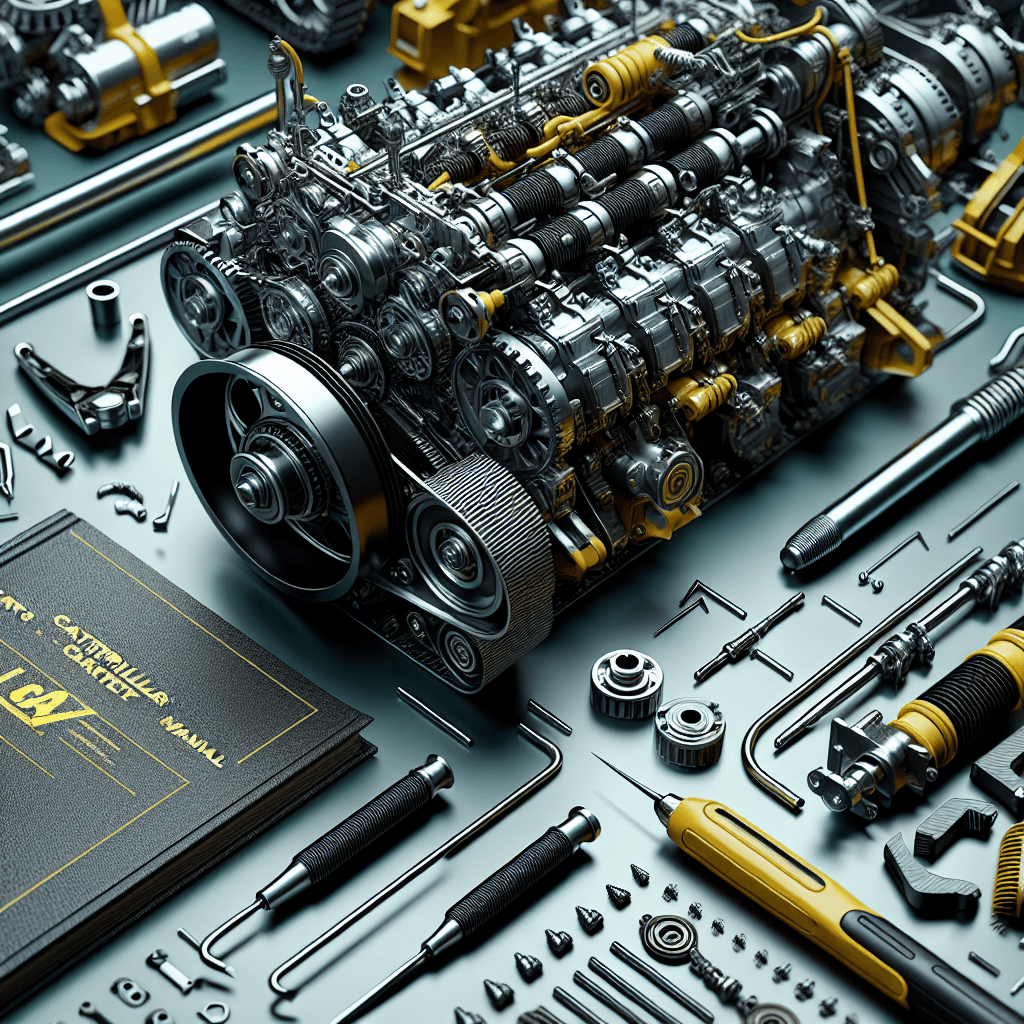
When it comes to maintaining and servicing heavy machinery, precision and accuracy are paramount. Caterpillar equipment, renowned for its durability and performance, requires meticulous care to ensure optimal functionality. One of the critical aspects of this maintenance is service work involving changing cams and pushrods. To achieve the best results, utilizing the factory Caterpillar parts book manual is indispensable. This article delves into the importance of using the factory Caterpillar parts book manual, the essential steps for changing cams and pushrods, the benefits of accurate service work with OEM parts, and how correct maintenance procedures can ensure the longevity of your machinery.
Importance of Using Factory Caterpillar Parts Book Manual
The factory Caterpillar parts book manual is an invaluable resource for anyone involved in the maintenance and repair of Caterpillar machinery. This manual provides comprehensive and detailed information about every component of the machine, ensuring that technicians have access to the exact specifications and part numbers required for the job. This level of detail is crucial for maintaining the integrity and performance of the equipment.
Using the factory parts book manual helps in identifying the correct parts needed for service work. This is particularly important when changing cams and pushrods, as these components are integral to the engine’s operation. Incorrect parts can lead to poor performance, increased wear and tear, and even catastrophic engine failure. The manual ensures that technicians can source the exact parts needed, reducing the risk of errors.
The parts book manual also includes diagrams and illustrations that provide a visual reference for the components and their installation. This is especially useful for complex repairs, where understanding the precise orientation and connection of parts is essential. The visual aids in the manual help to prevent mistakes during the reassembly process, which can save time and avoid costly errors.
Moreover, the factory Caterpillar parts book manual is regularly updated to reflect the latest changes and improvements in part designs and specifications. This ensures that technicians are always using the most current information, which is vital for maintaining the efficiency and reliability of the machinery. By relying on the manual, service work can be completed with confidence, knowing that the correct procedures and parts are being used.
For those interested in accessing the factory Caterpillar parts book manual, it can be obtained through Caterpillar Manuals. This resource provides a wide range of manuals for different Caterpillar models, making it easy to find the specific manual needed for any repair or maintenance task.
In summary, the factory Caterpillar parts book manual is an essential tool for ensuring accurate and effective service work on Caterpillar machinery. It provides the detailed information needed to select the correct parts, understand their installation, and stay up-to-date with the latest specifications. By using this manual, technicians can ensure that their repairs are done correctly, maintaining the performance and longevity of the equipment.
Essential Steps for Changing Cams and Pushrods
Changing cams and pushrods in Caterpillar machinery is a task that requires precision and attention to detail. The process involves several critical steps, each of which must be performed correctly to ensure the engine operates smoothly and efficiently. The following outlines the essential steps involved in this service work, with an emphasis on the importance of using the factory Caterpillar parts book manual.
The first step in changing cams and pushrods is to thoroughly prepare the work area and gather all necessary tools and parts. This includes referencing the factory Caterpillar parts book manual to identify the specific cams and pushrods needed for the machinery in question. Having the correct parts on hand before starting the job helps to prevent delays and ensures that the work can be completed efficiently.
Next, the engine must be carefully disassembled to access the cams and pushrods. This involves removing various components, such as the valve covers, rocker arms, and timing cover. The factory parts book manual provides detailed diagrams and instructions for this process, helping technicians to avoid damaging any parts during disassembly. It is important to keep track of all removed components and their respective positions to ensure correct reassembly.
Once the engine is disassembled, the old cams and pushrods can be carefully removed. This step requires precision to avoid damaging the engine block or other components. Again, the factory parts book manual is an invaluable resource, providing guidance on the correct removal techniques and highlighting any potential issues to be aware of.
With the old cams and pushrods removed, the new parts can be installed. It is crucial to use the exact parts specified in the factory Caterpillar parts book manual to ensure compatibility and performance. The manual provides detailed instructions for the installation process, including the correct torque specifications for securing the cams and pushrods in place. Following these guidelines helps to ensure that the new parts are installed correctly and will function as intended.
After the new cams and pushrods are installed, the engine must be carefully reassembled. This involves reversing the disassembly steps and ensuring that all components are correctly positioned and secured. The factory parts book manual provides diagrams and instructions to guide this process, helping to prevent mistakes and ensure that the engine is reassembled correctly.
Finally, once the engine is fully reassembled, it is important to perform a thorough inspection and testing to ensure that everything is functioning properly. This includes checking for any leaks, verifying that all components are properly secured, and running the engine to ensure smooth operation. Any issues identified during testing should be addressed promptly, with reference to the factory parts book manual as needed.
Benefits of Accurate Service Work with OEM Parts
Using Original Equipment Manufacturer (OEM) parts for service work, such as changing cams and pushrods, offers several significant benefits. These benefits underscore the importance of adhering to the guidelines and specifications outlined in the factory Caterpillar parts book manual. Accurate service work with OEM parts not only ensures optimal performance but also contributes to the longevity and reliability of the machinery.
One of the primary benefits of using OEM parts is that they are designed and manufactured to the exact specifications of the original components. This means that OEM parts will fit perfectly and function as intended, without the need for modifications or adjustments. The factory Caterpillar parts book manual provides the precise part numbers and specifications needed to source these OEM parts, ensuring compatibility and performance.
OEM parts are also made from high-quality materials and are subject to rigorous testing and quality control processes. This ensures that they meet the high standards set by Caterpillar for durability and reliability. By using OEM parts, technicians can be confident that they are installing components that will withstand the demands of heavy machinery operation and provide long-lasting performance.
Another significant benefit of using OEM parts is that they are covered by the manufacturer’s warranty. This provides peace of mind for both technicians and equipment owners, knowing that any defects or issues with the parts will be addressed by Caterpillar. The factory parts book manual helps to ensure that the correct OEM parts are used, maintaining the validity of the warranty and protecting the investment in the machinery.
Accurate service work with OEM parts also helps to maintain the resale value of the machinery. Equipment that has been serviced with the correct parts and according to the manufacturer’s guidelines is more likely to retain its value over time. Prospective buyers will have confidence in the quality and reliability of the machinery, knowing that it has been properly maintained using OEM parts and the factory parts book manual.
Using OEM parts can also help to minimize downtime and reduce the overall cost of ownership. High-quality, reliable parts are less likely to fail prematurely, reducing the need for frequent repairs and replacements. The factory Caterpillar parts book manual provides the information needed to select and install these parts correctly, ensuring that the machinery operates smoothly and efficiently.
In conclusion, accurate service work with OEM parts offers numerous benefits, including compatibility, quality, warranty coverage, maintained resale value, and reduced downtime. The factory Caterpillar parts book manual is an essential resource for ensuring that the correct parts are used and installed properly, maximizing the performance and longevity of the machinery.
Ensuring Longevity with Correct Maintenance Procedures
Ensuring the longevity of Caterpillar machinery requires adherence to correct maintenance procedures, as outlined in the factory Caterpillar parts book manual. Proper maintenance not only extends the lifespan of the equipment but also enhances its performance and reliability. By following the recommended procedures and using the correct parts, technicians can help to prevent costly breakdowns and ensure that the machinery operates at its best.
One of the key aspects of ensuring longevity is performing regular inspections and servicing according to the schedule recommended in the factory parts book manual. This includes checking critical components, such as cams and pushrods, for signs of wear and damage. Early detection of issues allows for timely repairs and replacements, preventing more severe problems from developing.
The factory Caterpillar parts book manual provides detailed instructions for performing routine maintenance tasks, such as lubrication, cleaning, and adjustments. Following these procedures helps to ensure that all components are functioning properly and reduces the risk of premature wear and failure. Proper lubrication, for example, is essential for minimizing friction and wear on moving parts, such as cams and pushrods.
Using the correct tools and techniques for maintenance and repairs is also crucial for ensuring longevity. The factory parts book manual provides guidance on the appropriate tools and methods for servicing each component. This helps to prevent damage during maintenance and ensures that parts are installed and adjusted correctly. Using the wrong tools or techniques can lead to improper repairs and increased wear on the machinery.
Another important aspect of ensuring longevity is using OEM parts for replacements and repairs. As discussed earlier, OEM parts are designed to meet the exact specifications of the original components and are made from high-quality materials. The factory Caterpillar parts book manual provides the necessary part numbers and specifications to source these parts, ensuring compatibility and performance.
Proper training and knowledge are also essential for ensuring longevity. Technicians should be familiar with the factory parts book manual and understand the recommended maintenance procedures and specifications. Ongoing training and education can help technicians stay up-to-date with the latest techniques and best practices for maintaining Caterpillar machinery.
In summary, ensuring the longevity of Caterpillar machinery requires adherence to correct maintenance procedures, as outlined in the factory Caterpillar parts book manual. Regular inspections, proper lubrication, using the correct tools and techniques, and using OEM parts are all critical aspects